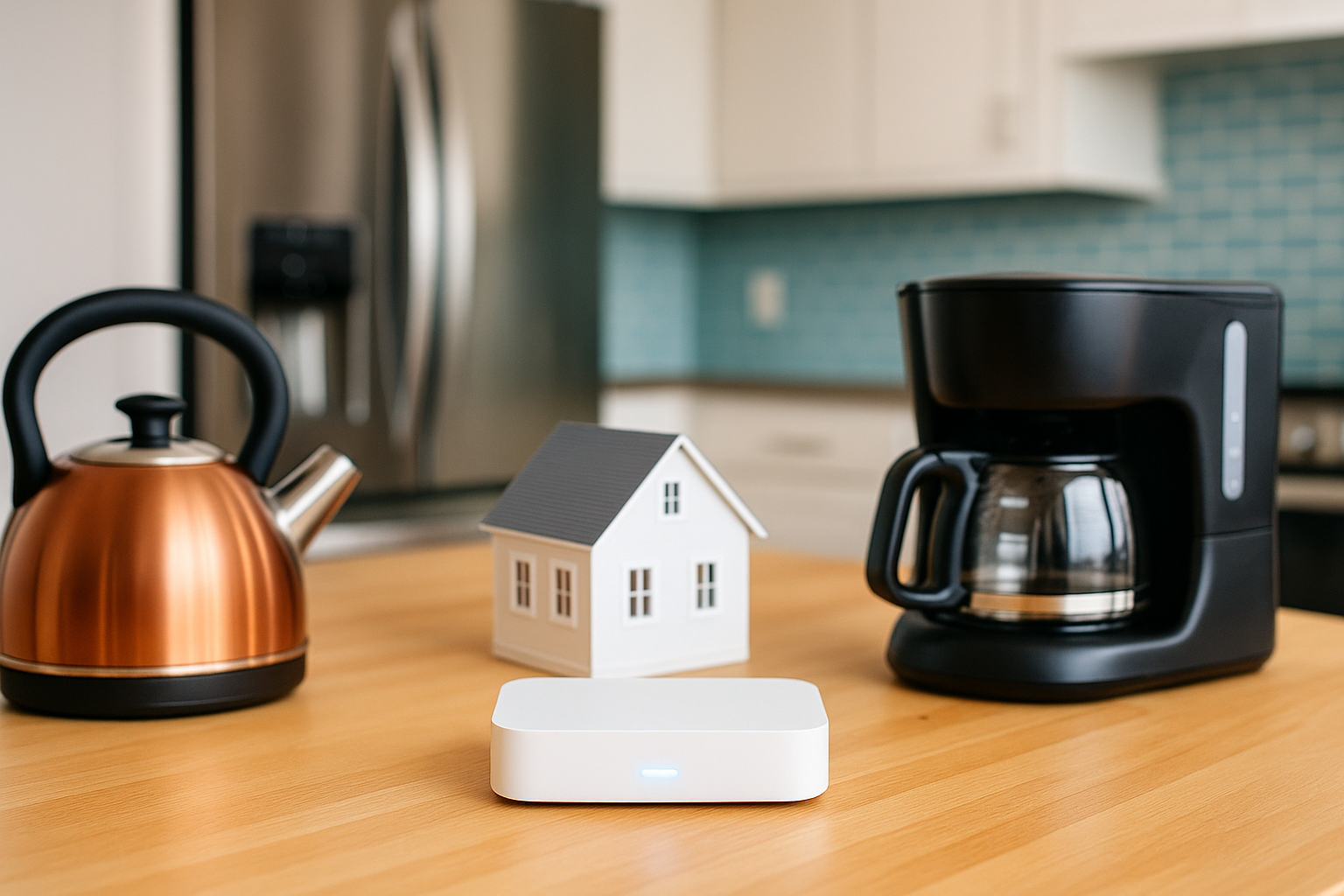
In recent years, the kitchen has become more than just a place to cook—it has evolved into a hub of connected living. Smart kitchen devices are no longer niche luxury items: they’re increasingly practical tools that enhance convenience, efficiency, and even sustainability in everyday home life. With the global smart-kitchen appliances market projected to grow at nearly 18 % CAGR from 2024 to 2030, the question is not if you should adopt smart devices—but how.
1. Why the smart-kitchen wave is growing
Connected lifestyles — Smart kitchen devices fit perfectly into today’s Wi-Fi and voice-assistant ecosystems.
Time & labour savings — From coffee brewing to food tracking, AI automation cuts hours of repetitive work.
Sustainability & efficiency — Sensors reduce waste, optimize power, and help lower your carbon footprint.
Affordability improving — Prices are dropping fast as competition grows and technology matures.
2. Key device categories & what they offer
Smart refrigerator: Tracks food, suggests recipes, and alerts you about expiry dates.
- Smart oven or cooktop: Allows remote control, voice commands, and auto-shutoff for safety.
- Smart coffee maker: Lets you schedule brewing, adjust strength, and monitor energy use.
- Smart dishwasher: Optimizes water and power, alerts you for maintenance or detergent levels.
- Smart accessories: Scales, thermometers, and connected cookware complete the ecosystem.
3. How to choose & integrate smart kitchen devices
- Start with your needs — Food waste? Go for a smart fridge. Morning rush? Try a smart coffee maker.
- Check compatibility — Make sure devices work with Alexa, Google Home, or Apple HomeKit.
- Look for updates & Wi-Fi support — Keeps your appliance useful and secure over time.
- Consider total cost — Include energy savings and subscription fees in your calculations.
- Keep control simple — Automate what helps, but stay in charge of your kitchen routines.
4. Pitfalls & future trends
Pitfalls:
- Data privacy issues — always review the brand’s security policy.
- Compatibility limits — not all devices talk to each other.
- Over-automation — too many “smart” gadgets can become confusing.
Trends:
- AI-driven cooking assistance (“cook me something healthy”)
- Predictive food management and automatic re-ordering
- Modular appliances that can be upgraded over time
- Sustainability dashboards showing your eco impact
💡 Conclusion
Smart kitchen devices are more than tech toys—they’re practical companions for efficient and enjoyable daily living.
Start small, connect wisely, and let technology simplify—not complicate—your home life.
📌 Together with related post
📌 How to Build an Eco-Friendly Home Without Spending a Fortune
Living sustainably doesn’t always mean spending more. With the right strategies, you can create an eco-friendly home while saving money in the long run. Here are practical tips to transform your house into an energy-efficient and eco-conscious space.🌱
clearhagae.tistory.com
'Smart Living' 카테고리의 다른 글
| 💡 Small Changes, Big Difference (0) | 2025.10.26 |
|---|---|
| 🏠 How Smart Homes and Wearable Tech Are Reshaping Modern Living (0) | 2025.10.19 |
| 📌 How to Build an Eco-Friendly Home Without Spending a Fortune (0) | 2025.10.12 |
| 🌿Building a Healthier and More Efficient Daily Routine (0) | 2025.10.05 |
| 🔒 Simple Digital Security Habits for Everyday Life (0) | 2025.09.28 |